Arduino Science Fair Projects | VideotronicMaker Labs
February 14, 2026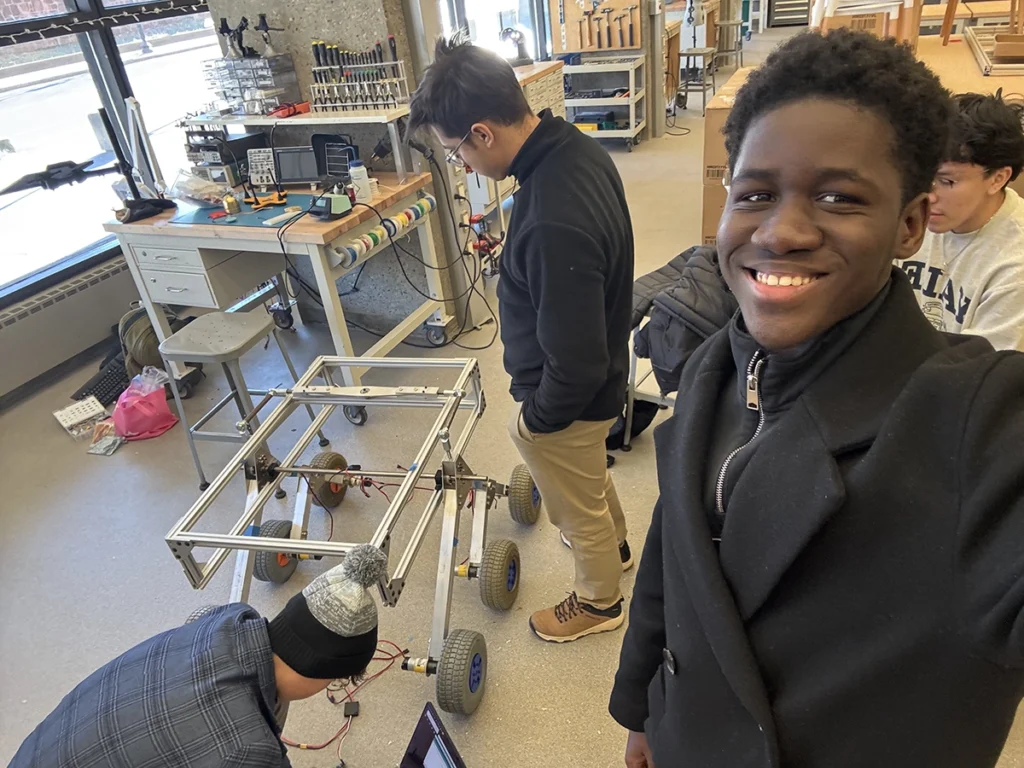
SHIPPING
IMPERFECT
BEGINNINGS
“And the champion of the 2018 MISE Math Olympiad Tournament is...”
Not me. Not even close.
It was my first Math Olympiad. I remember sitting in that room, watching the winner get called up, and feeling this weird mix of disappointment and excitement. I hadn’t won anything. I wasn’t even competitive. But something about being in that room, seeing students my age so deeply locked into their craft, so passionate about what they were doing, woke something up in me.
I wanted that. Not math, specifically. But the feeling of having a thing that was mine.
So I tried Olympiad math. Seriously. I practiced, failed, tried again, failed again. Never made it past the qualifying rounds. Eventually I had to be honest with myself: this wasn’t it. But the spark from that day never left. I became obsessed with finding what was.
01. Discovering the Builder Within
I’d always been drawn to technology. Sci-fi movies, robotics, Iron Man. Tony Stark building in his lab felt magical to me. Not the superhero part, but the idea that you could have an idea in your head and then just... make it real. With your own hands. That was the thing that excited me more than anything. I knew I wanted to exist in that world somehow. But I had no clue how to actually get there.
So I did what a lot of aspiring makers do: I watched. Endlessly. YouTube videos on engineering builds. Programming tutorials. Maker projects. Raspberry Pi setups. I was consuming so much content that I genuinely felt like I was learning. But I wasn’t building anything. I wasn’t writing any code. I wasn’t soldering anything. I was just... watching other people do the things I wanted to do.
I told myself I needed to be “ready” first. That I needed more knowledge. More preparation. More tutorials. It felt responsible. In reality, it was just fear dressed up as discipline.
Then COVID hit, and everything stopped. School closed. Life shrank to the four walls of my house. And in the boredom of lockdown, that itch came back stronger than ever.
Right before lockdown, I’d convinced my mum to get me a Raspberry Pi. When it arrived, I had no idea what to do with it. I didn’t own a laptop. I’d been relying on my mother’s computer for everything. So I did the most logical thing I could think of: I hooked the Pi up to the TV in the house, borrowed a dusty keyboard from a friend, and just started exploring. I taught myself to navigate Linux, got comfortable with the command line, and tried to learn to code through Minecraft, a game I already loved. It was scrappy and messy and I was making it up as I went along. But for the first time, I wasn’t just watching. I was tinkering.
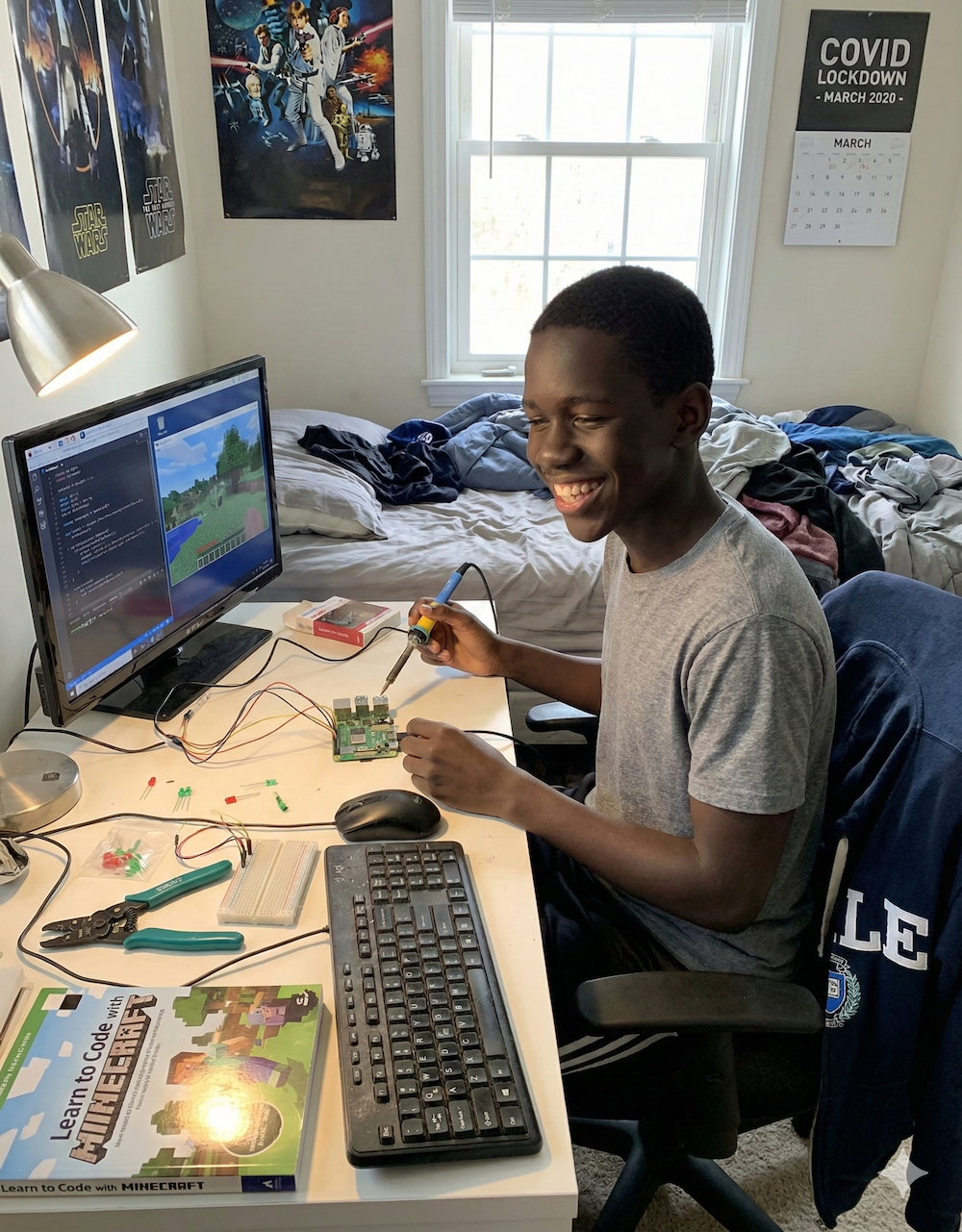
And something about it just felt right, like I’d finally found the thing I’d been looking for since that Math Olympiad.
02. The Question That Changed Everything
It was during one of those YouTube rabbit holes, looking for Raspberry Pi projects and coding tutorials, that I came across the video that changed everything. A homeschooled nine-year-old girl who had taken CS50, Harvard’s intro to computer science course. Not audited it. Not watched the lectures casually. She had completed the full course: all the problem sets, the final project, everything. And she was building real things.
I’d actually seen CS50 before and scrolled right past it. It was a university-level course. That felt like something for people smarter than me, people who already knew what they were doing.
But watching her, one thought hit me and wouldn’t let go: if a nine-year-old can do this, what exactly is my excuse? I enrolled that same week. I was fifteen.
And honestly? It was hard. I remember staring at my first C program for hours, not understanding why my code wouldn’t compile. I remember the frustration of debugging something for an entire evening only to find a missing semicolon. I remember feeling stupid, like maybe I’d been right to wait, like maybe I really wasn’t cut out for this.
But I kept going. And slowly, things started to click. Not because I suddenly got smarter, but because I was finally in the arena instead of the audience. Every bug I fixed, every problem set I completed, every program that actually ran built something inside me that tutorials never could.
The barrier had never been intelligence. It had been fear.
03. Momentum Through Action
Once I broke through that, things started to compound in ways I didn’t expect.
The confidence I built from CS50 didn’t stay confined to coding. It changed how I approached everything. I became more willing to try things that intimidated me, more comfortable being bad at something before getting good at it.
That mindset led me to the MISE Research Program, an opportunity I assumed was only for the Math Olympiad kids who’d been winning competitions for years. I got in anyway. And ironically, the space I thought was closed to me became one of my biggest growth environments. I was later named Scholar of the Year. For someone who once thought he wasn’t smart enough to be in the room, that meant more than I can put into words.
From there, I tackled Stanford’s Machine Learning course by Andrew Ng. It introduced me to AI and ML, but what surprised me most was how it changed my relationship with math. The abstract concepts that had always felt out of reach in the Olympiad context suddenly made sense when they were tied to building real systems: training models, tuning parameters, seeing the math actually do something. Learning became a tool for creation, not just performance.
04. Redefining Winning
“And the winner of the $75,000 George D. Yancopoulos Innovator Award is...”
Again, not me.
But honestly? Standing at ISEF, presenting research on a global stage, surrounded by thousands of young scientists and engineers, I didn’t care. The kid who was too scared to start a computer science course wouldn’t have believed any of this was possible.
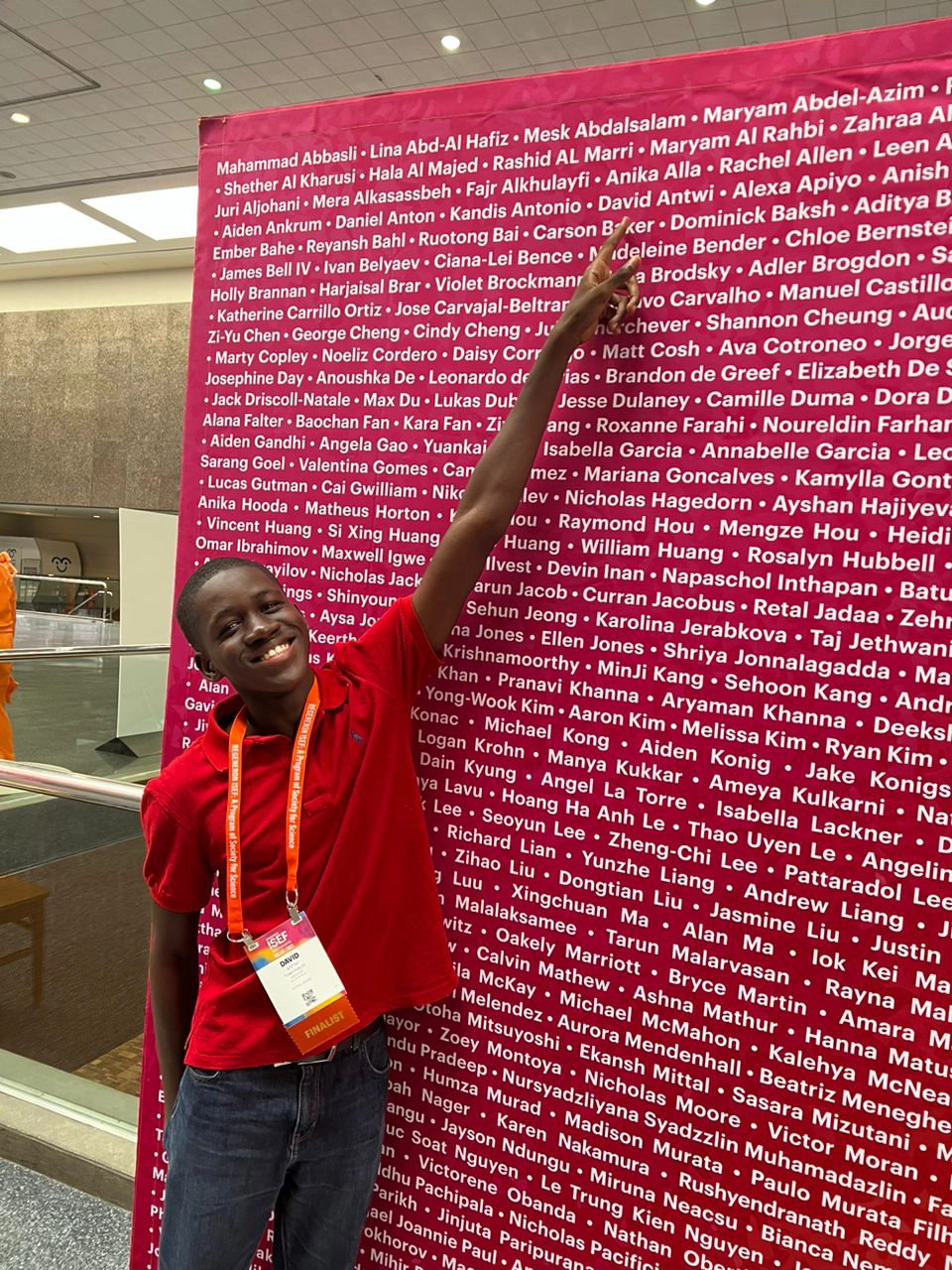
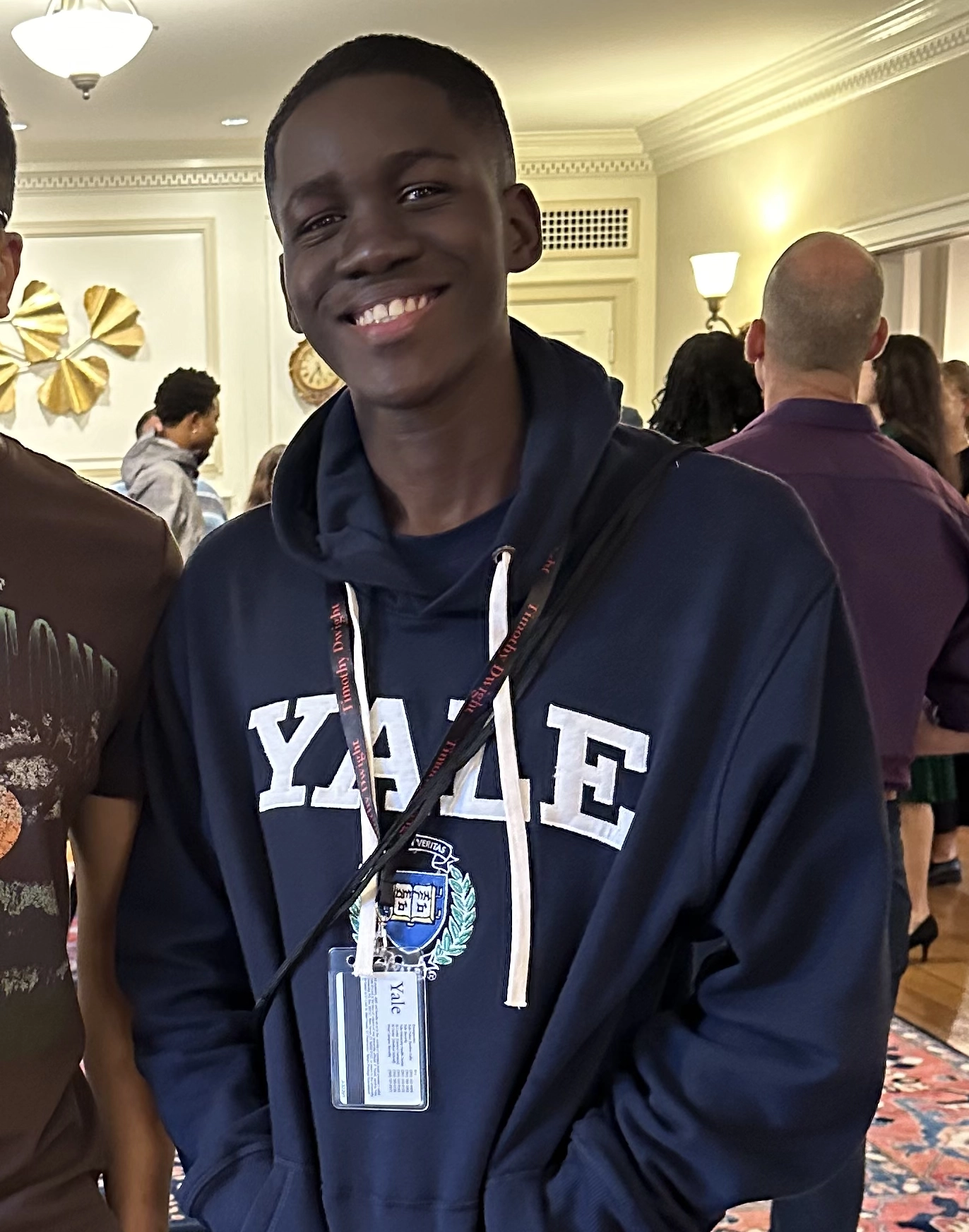
This story has never been about winning. It’s about what happens when you stop watching and start building. That path led me to Yale, where the growth hasn’t slowed down. It’s just gotten more technical.
05. The Grit Behind the Build
At Yale, I joined The Faboratory, a soft robotics research lab, where I’ve been developing a multi-IMU motion-capture system for a soft wearable exosuit. It’s the most technically demanding thing I’ve worked on. I’m integrating sensors, actuators, and microcontrollers, learning PCB design in Altium, writing embedded firmware, and constantly running into problems I’ve never seen before.
The day-to-day is I2C address conflicts, code that won’t compile for reasons I don’t understand yet, and spending a full week on something I thought would take an afternoon. I’ve leaned heavily into AI tools to accelerate my workflow and unblock myself faster, and I’ve had great guidance from my lab. But even with good tools and good mentors, the learning still happens in the doing. None of it is glamorous. But that’s the real work.
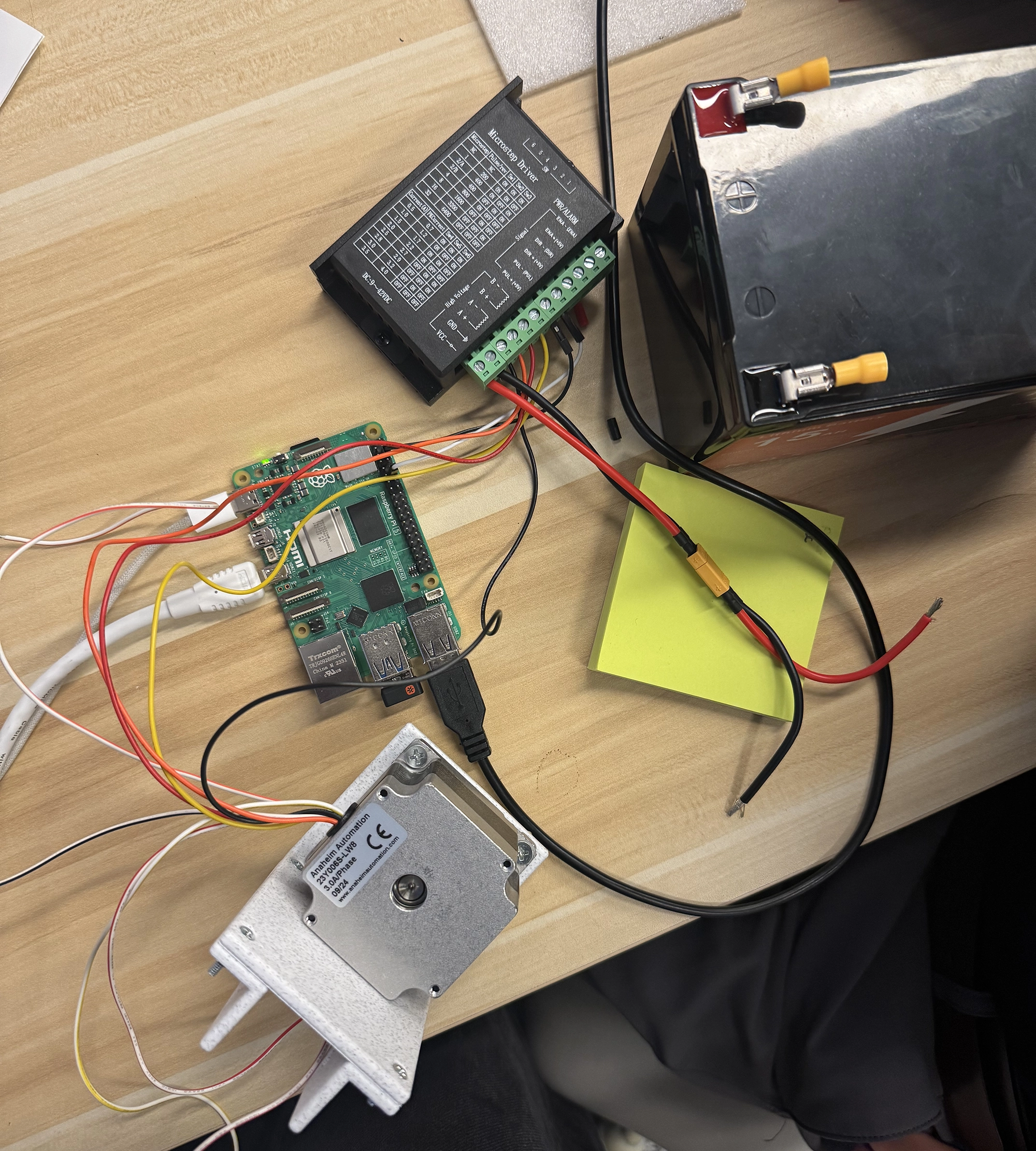
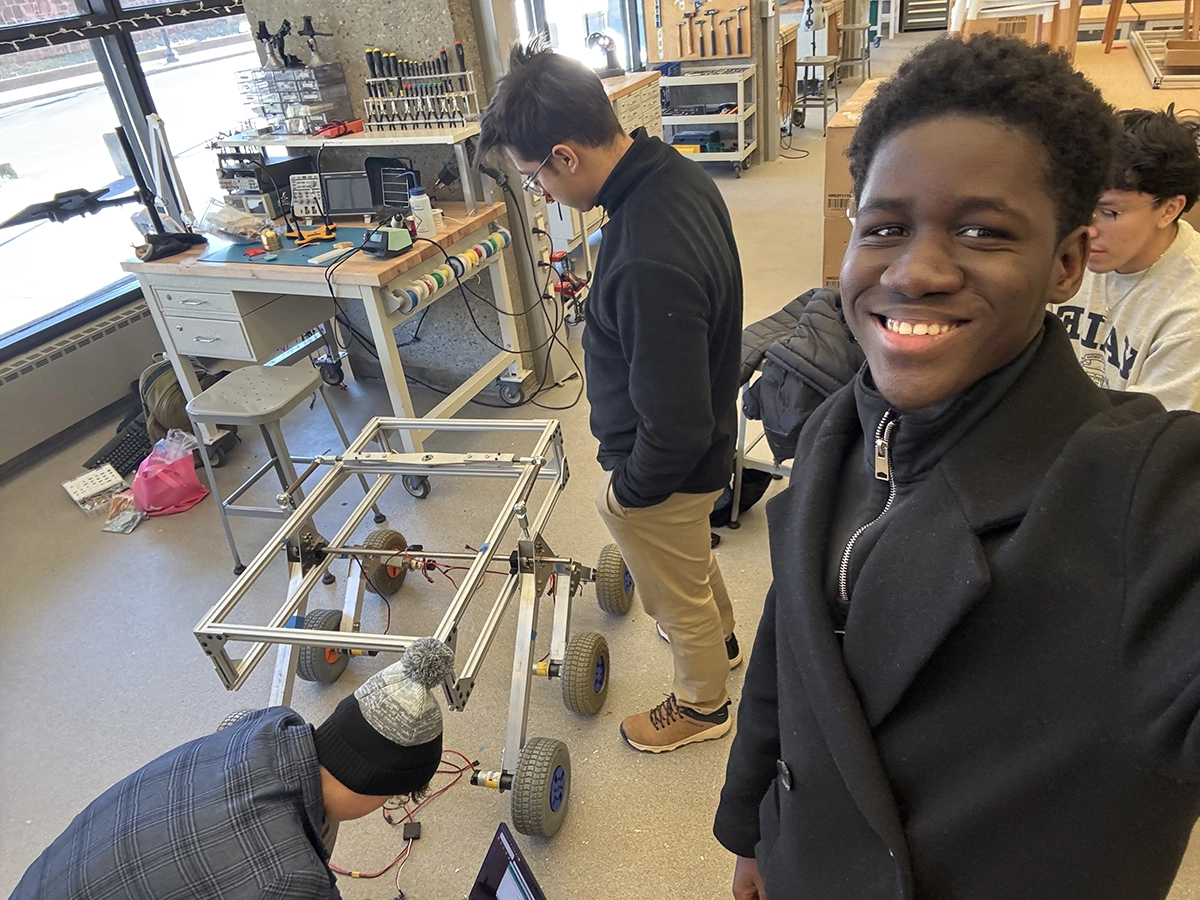
I also joined the Mars Rover team through Yale’s Undergraduate Aerospace Association, and that taught me something different. The technical skills mattered, but what really changed me was learning how to be part of a team that builds together. Asking better questions. Earning trust by being consistent. Doing the unglamorous work that actually moves a project forward.
Later, through the Yale Computer Society, I got to be on the other side of that, mentoring five students as they built and deployed their first web applications. Watching someone go from “I don’t know where to start” to shipping something real hit me in a way I didn’t expect. I saw my own CS50 moment reflected back at me, and it reminded me how far that single decision to start can take you.
And beyond the structured stuff, I’ve just been building. Side projects, personal tools, experiments with AI, new teams, new roles, new things I didn’t even know I was interested in six months ago. The list keeps growing, and honestly, it changes faster than I can write about it. Some of it survives, some of it doesn’t. I’ve had late nights debugging side projects, rabbit holes that led nowhere, and prototypes that broke in ways I didn’t think were possible. But every single one of those experiences taught me something that no lecture or tutorial could, because the best way I’ve found to learn anything is to just build with it. I’ve stopped building things to impress people and started building things because I genuinely care about them. And that shift, from performing to creating, changed everything.
06. The Real Lesson
If there’s one thing I’ve learned, it’s this: you don’t find your craft by waiting until you’re ready. You find it by trying, failing, pivoting, and trying again.
I didn’t find mine in Math Olympiad halls. I found it in messy C programs, tangled breadboard wires, late-night debugging sessions, and imperfect prototypes that somehow, eventually, worked. I learned by building, and I’m still learning that way every single day.
And if I could go back and tell my younger self one thing, it would be this: close the tutorial. Open a code editor. Hook up the Raspberry Pi. Start the thing that scares you. It doesn’t have to be good. It just has to exist.
Because the goal was never to win. It was to start, to build, to break things, to learn, and to fall in love with the process.
> End of File_
> Connection established.
// CONNECT WITH DAVID'S JOURNEY
Initialize LinkedIn Connection